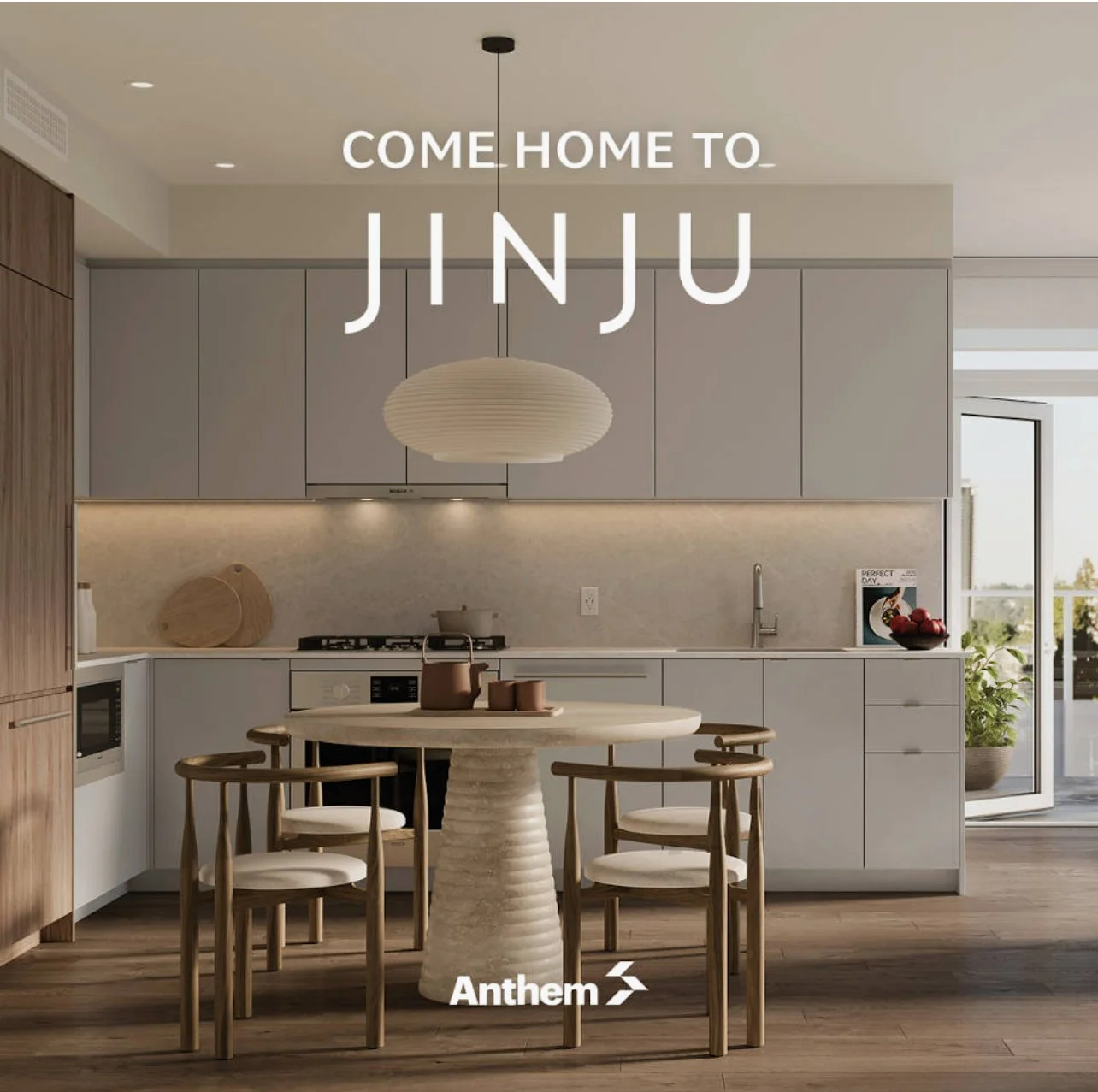
DEFINING Vision Through insight-Driven Positioning
Defining the idea that gives a product, brand, or place its influence.
LEADING WITH STRATEGY
The strongest brands, places, and experiences begin with a clear idea.
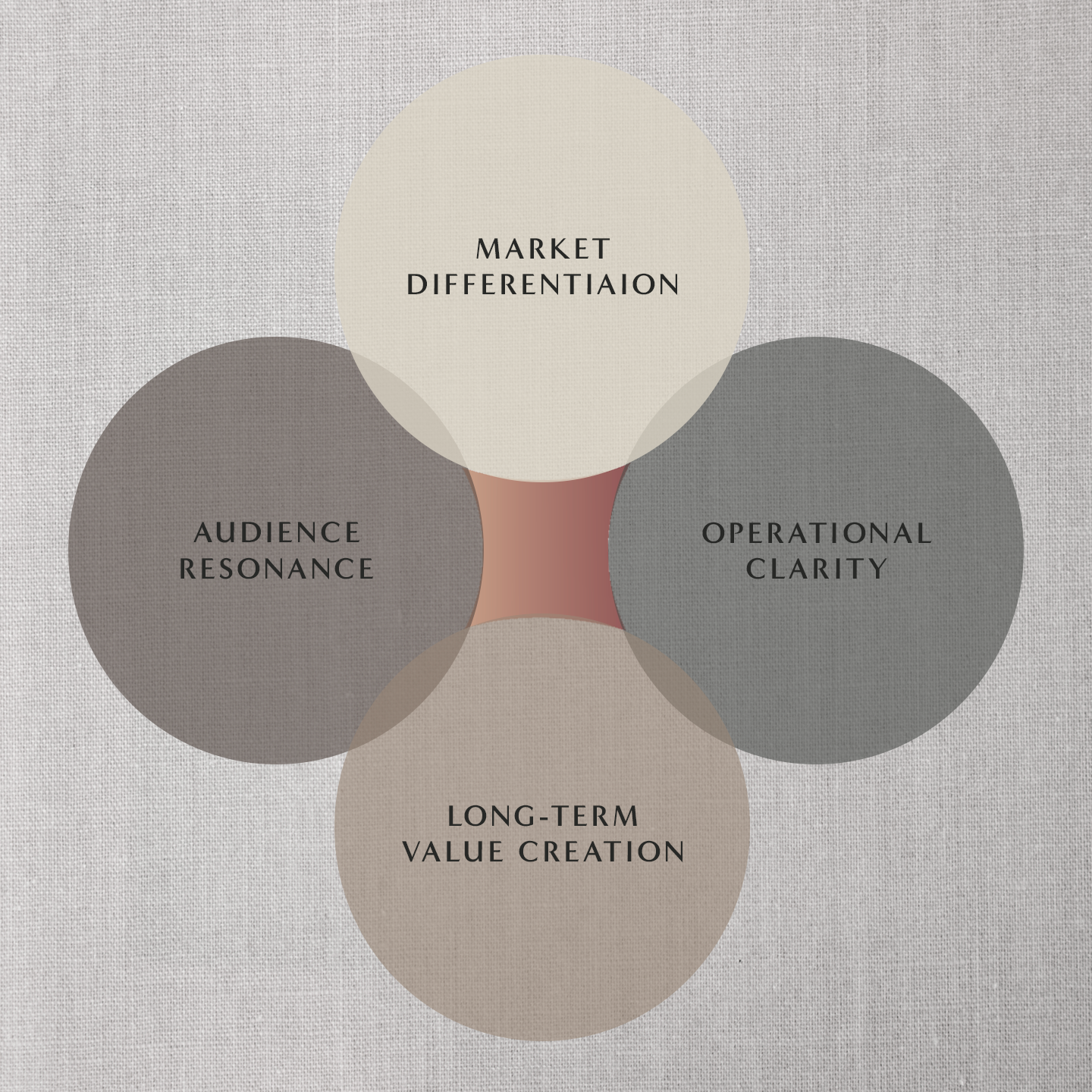
By examining business intent, brand meaning, and the broader market and cultural landscape early in the process, strategy clarifies what truly matters—creating the conditions for sharper differentiation, deeper audience resonance, stronger alignment, and greater long-term value.
Evelyn partners with organizations to define clear strategic direction, equipping leaders with the insight needed to make confident decisions across business, brand, and experience design. Her work connects cultural signals, market intelligence, and strategic judgment to help organizations navigate complexity, reduce downstream friction, and move forward with confidence.
This strategy-led approach integrates both human and data-driven intelligence, using research to anticipate change and align early decisions with long-term sustainability.
FROM CLARITY TO REALIZATION
STRATEGY
Identifies opportunity.
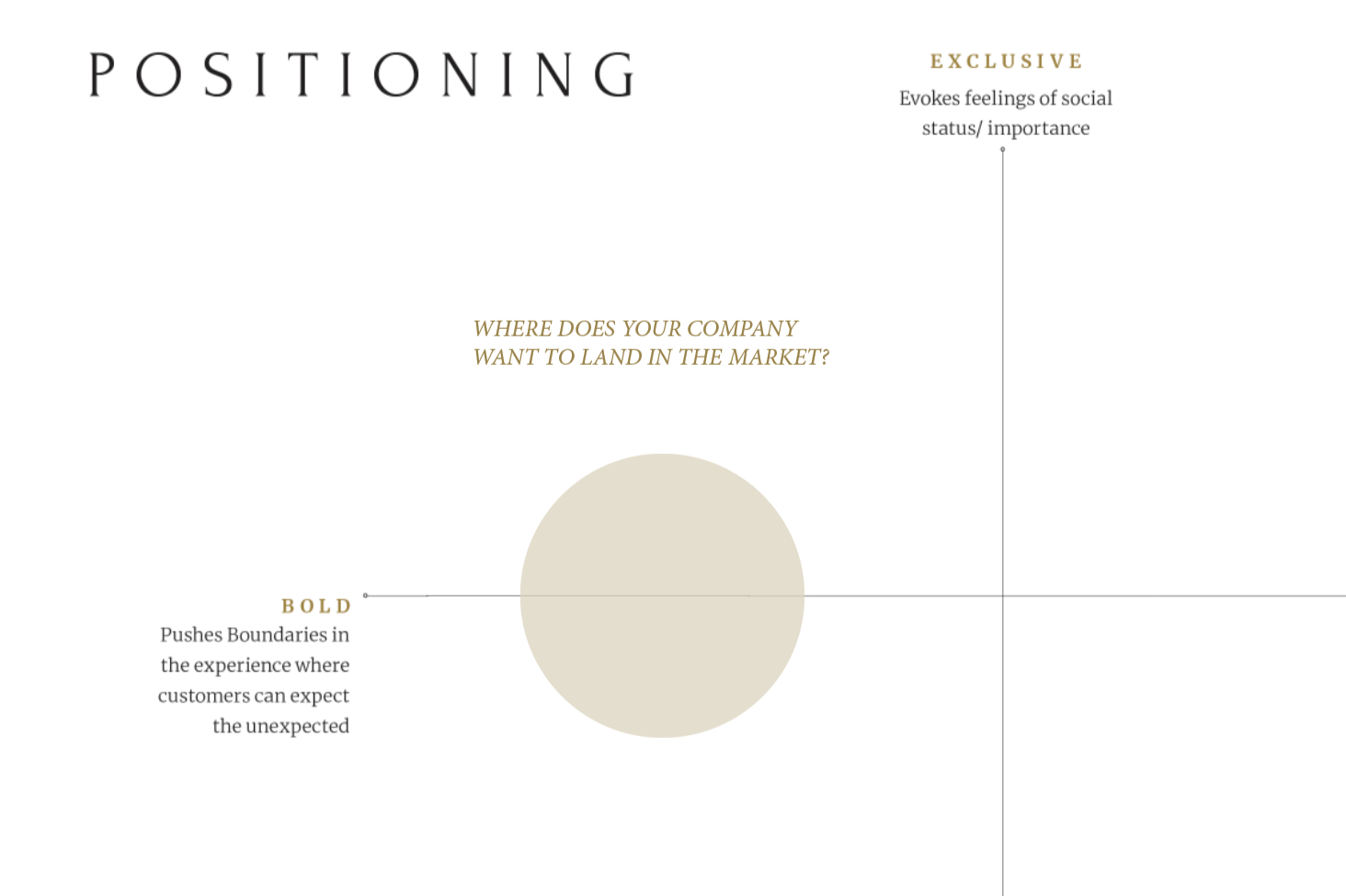
Defines where a product, brand, or place can meaningfully compete—and where opportunity exists. Grounded in market intelligence, cultural context, and business objectives, this work identifies gaps and unmet needs, clarifying how a concept should differentiate and what territory it can credibly own. The result is a clear positioning framework that anchors concept development in real opportunity and long-term relevance.
VISION
Creates alignment.
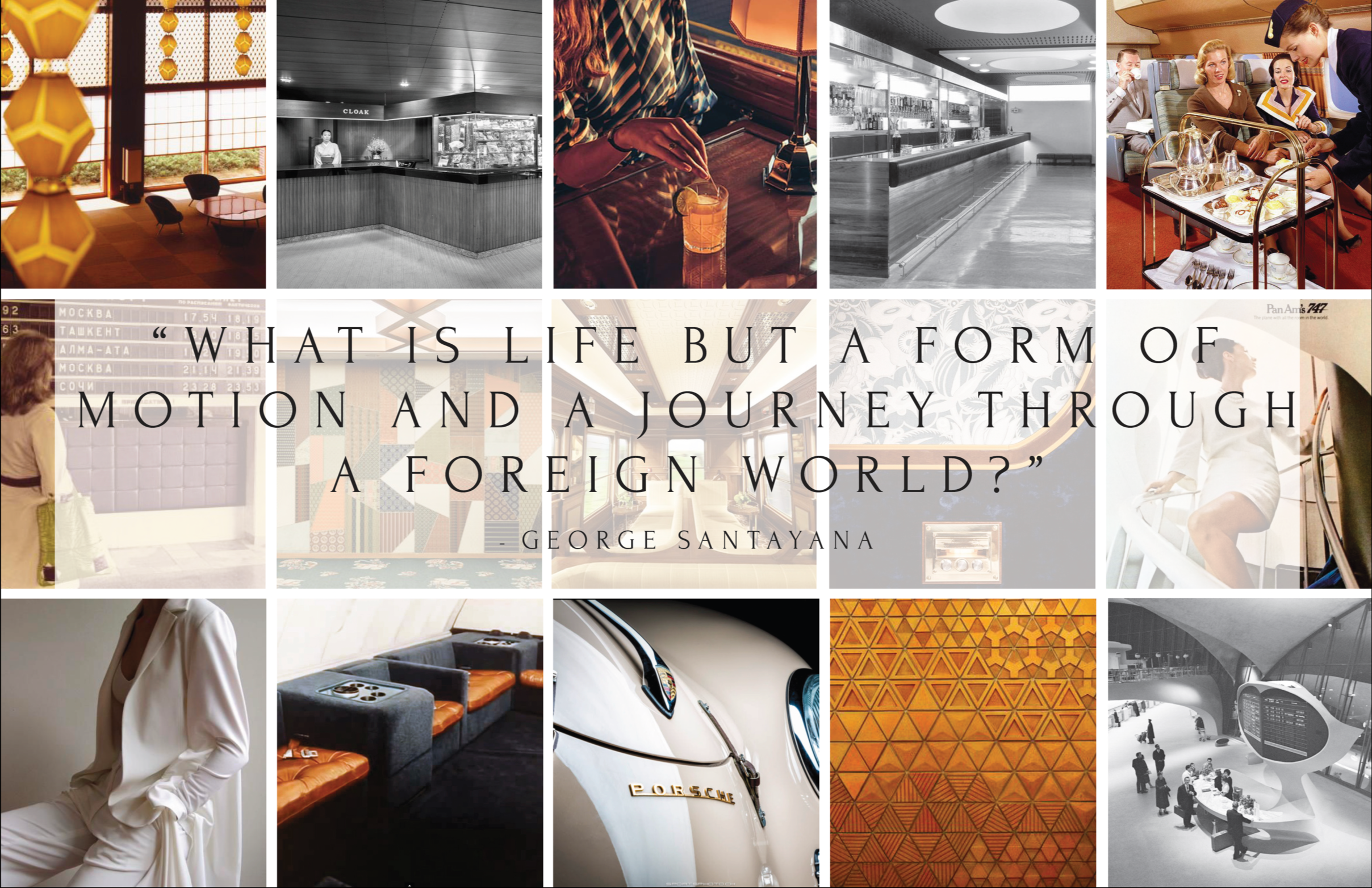
Transforms positioning into a clear, compelling concept that defines what the product, place, or brand is—and how it comes to life. This stage establishes the North Star, translating strategic opportunity into a cohesive vision across product, brand, space, service, and experience. It defines the core idea, narrative, and point of view, along with the principles that shape how the concept is expressed. The outcome is a concept that is both distinctive and executable, with the clarity to guide decisions from early design through to launch.

experience
Brings vision to life.
Structures how the concept is delivered across physical and digital touchpoints. Building on the established vision, this work defines how the experience is sequenced, expressed, and aligned—from environments and service interactions to programming, identity and communications. It brings design, operations, and brand expression into a cohesive system that supports execution. Brand direction is carried through this stage as an integrated framework, ensuring consistency, clarity, and integrity as the concept is implemented and scaled. The result is an experience that is intuitive, cohesive, and designed to maintain impact over time.
case study
jinju homes: a concept about tranquility that disrupted the market
At the outset, the challenge was clear. Anthem Properties had purchased a site in Coquitlam amid rapid growth driven by a new SkyTrain station and surrounding neighbourhood redevelopment. The challenges with the site were three-fold: it did not have the largest footprint, competing developments offered a greater number of amenities, and it was not the closest property to the transit hub.
The client needed a strategy that would position the residential development in a way that meaningfully differentiated it from the competition.


from POSITIONING to concept
Through strategic research and market insight, an opportunity emerged to differentiate the development by centering wellness while thoughtfully engaging the Southeast Asian demographic that largely populated the Coquitlam neighbourhood. Rather than treating wellness as an add-on, it became the core organizing idea—used as a strategic lens to move away from mass-market positioning that attempts to appeal to everyone while resonating with no one.
The positioning was grounded in a deep understanding of the target audience, combined with a broader reading of wellness trends shaping contemporary culture. This included anticipating the convergence of circuit-style spas with more culturally embedded wellness models—such as Korean jjimjilbangs—as these experiences began to gain traction in North America. Rather than defaulting to generic amenity language, the strategy pushed beyond category norms to create a product concept rooted in familiarity, authenticity, and cultural relevance.
The product concept drew inspiration from jjimjilbangs as go-at-your-own-pace environments offering a range of dry and wet saunas, restorative pools, and traditional amenities including massage, skin treatments, and food. This reference point informed a distinctive wellness amenity experience, featuring hot and cool rooms and tranquil public spaces designed to support mindfulness, relaxation, and overall well-being. The vision was expressed through a light, modern, and calming aesthetic, reinforced by thoughtful programming that allowed cultural richness to lead.
The project’s differentiated product resonated strongly in the real estate market, resulting in a complete sell-out within two weeks of launch.

BRINGING THE concept TO LIFE
With a clear point of view in place, the work shifted into shaping how the product concept would be experienced, translating vision into brand identity, interior expression, and programming that carried the concept through every touchpoint.
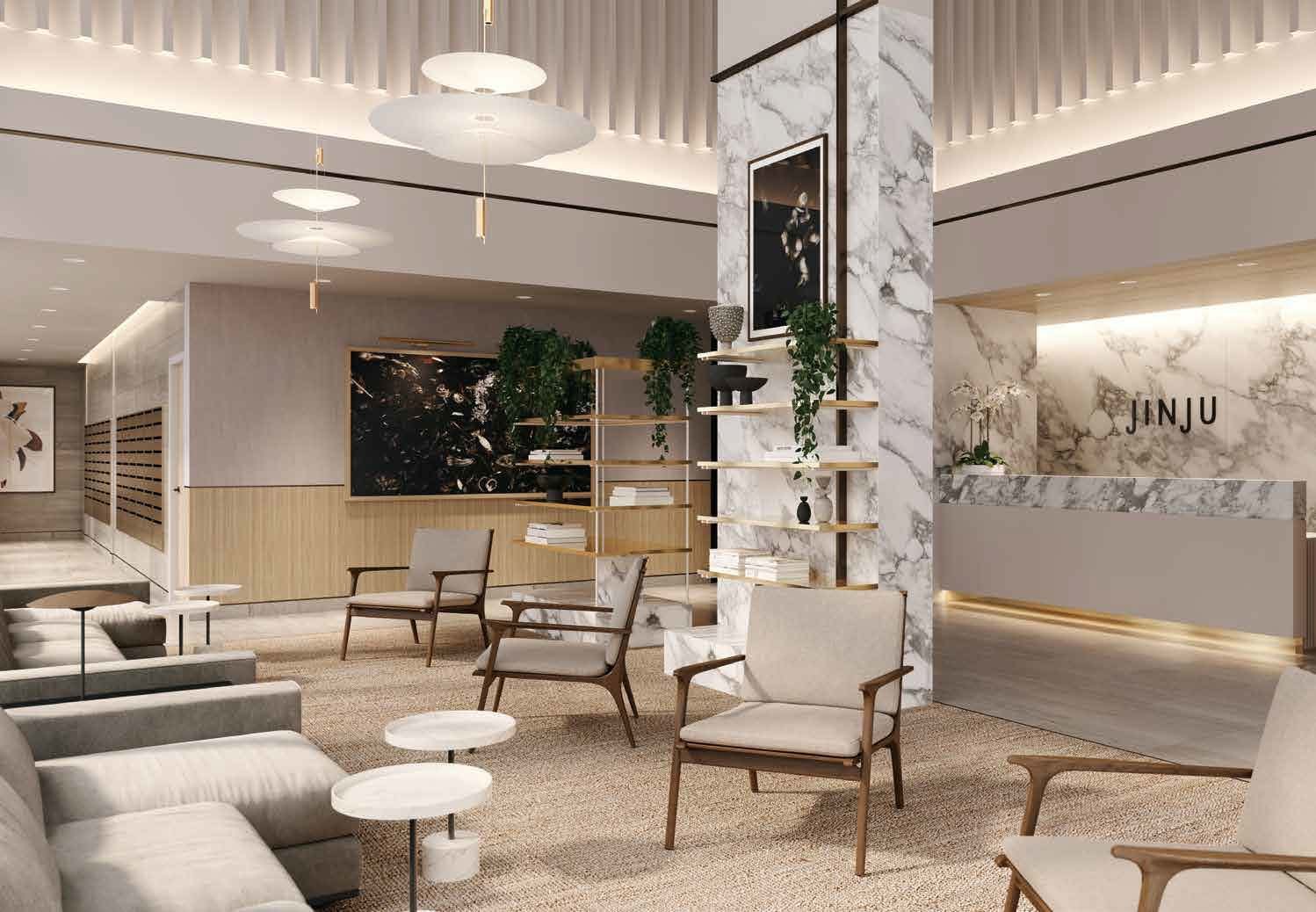
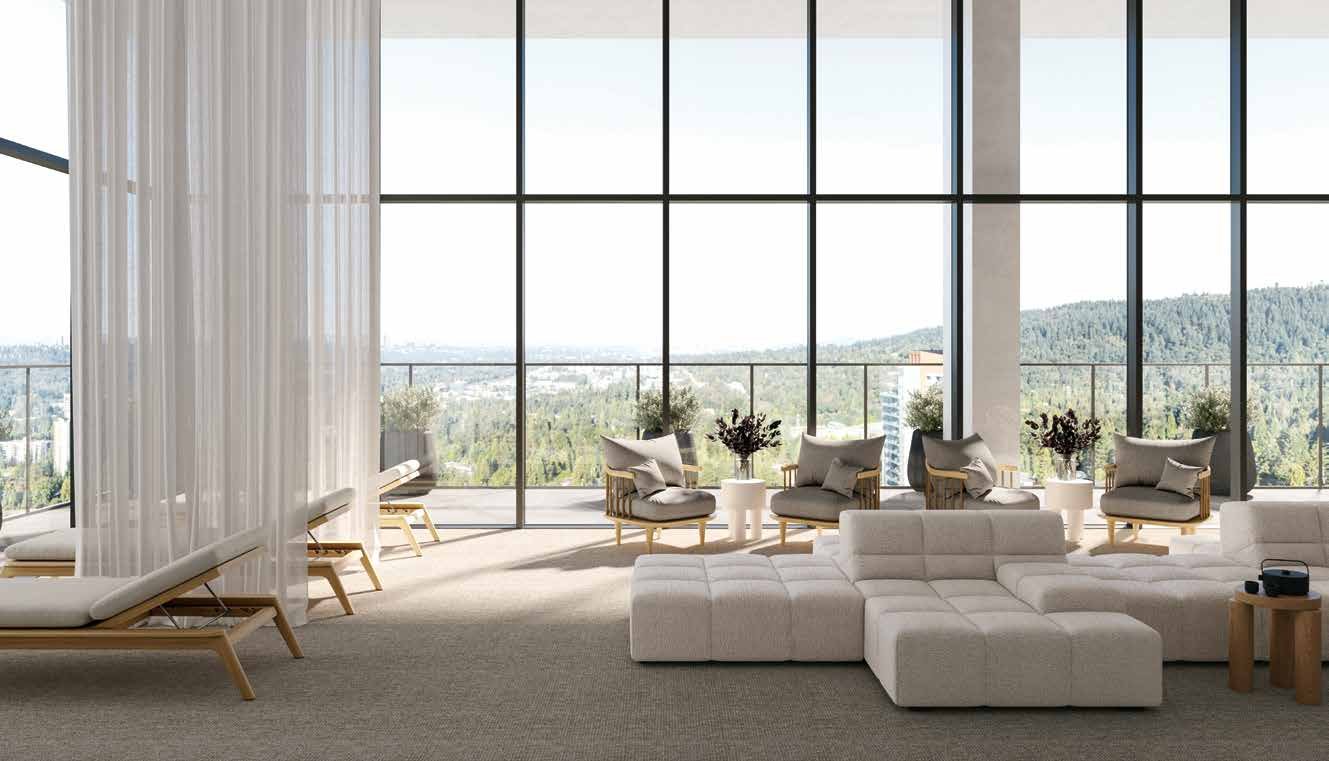
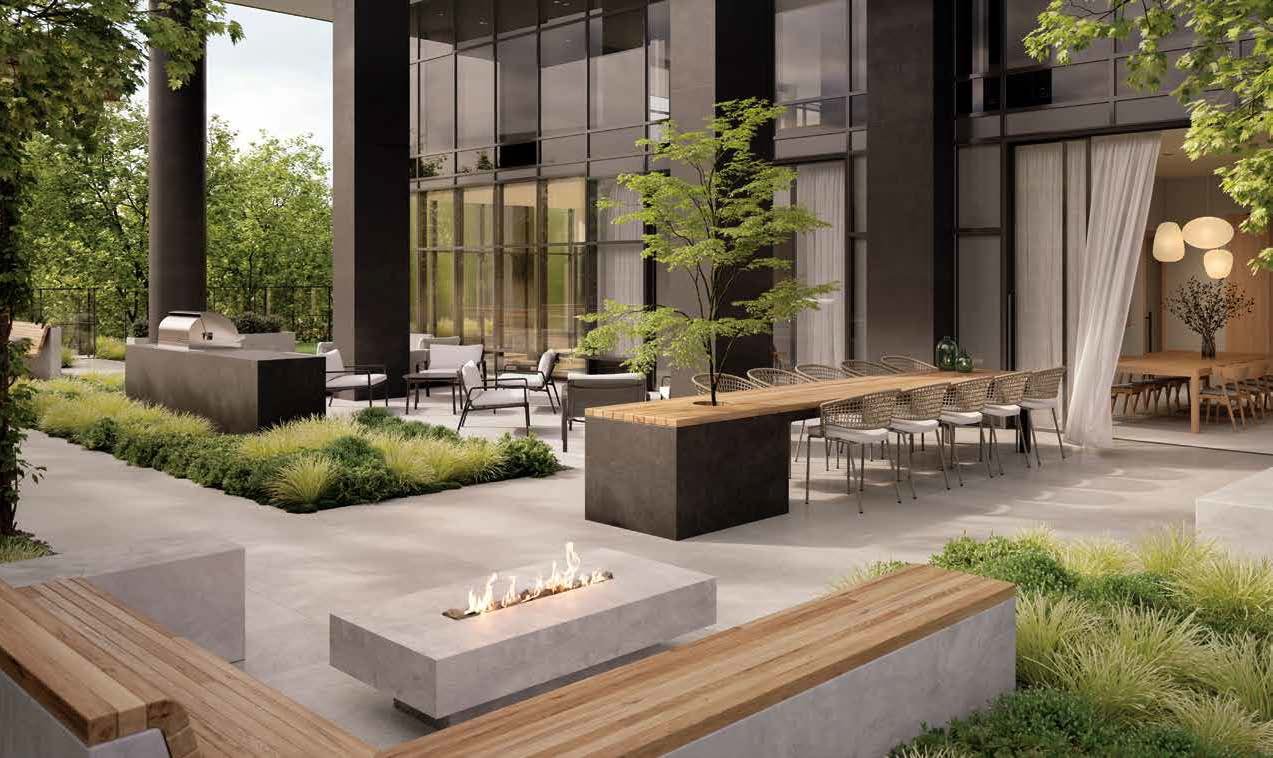
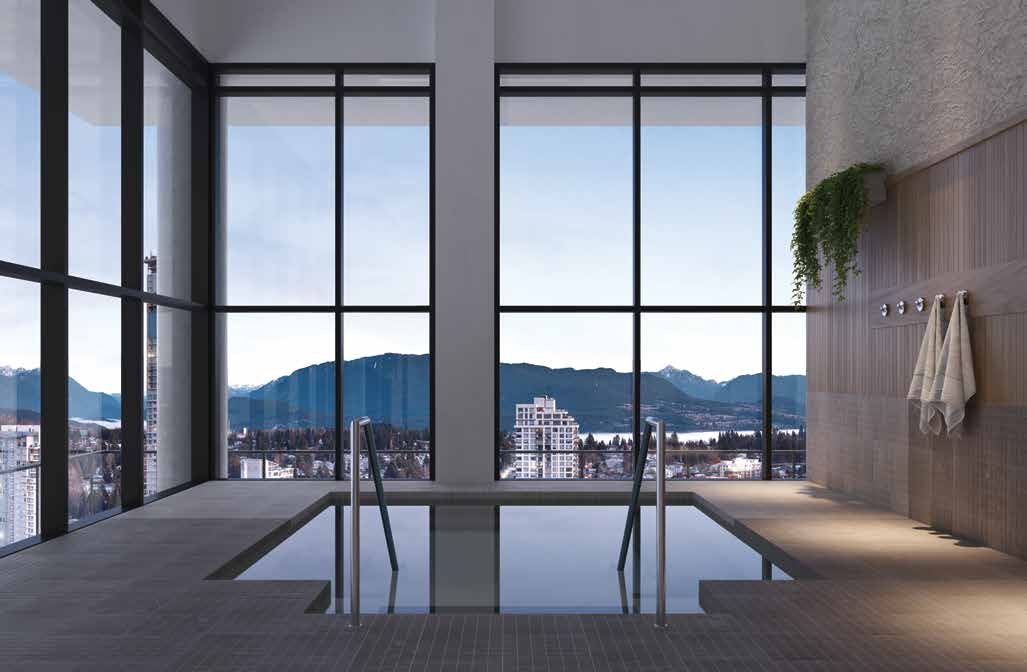

“Jinju by Anthem was a key differentiator in real estate. The amenity concept was refreshing and the sales centre was beautiful. It sold out within two weeks.”
— GEORGE WONG, CEO & FOUNDER OF MAGNUM PROJECTS